
Ironing Service in Canggu: Hand-Ironed Laundry | Easy Day Laundry
You unpack from a long-haul flight in Canggu. Linen shirts limp. Dresses creased from the suitcase. The kiloan shop down the road washes and "irons" for Rp 12,000 a kilo, but the shirts come back with new wrinkles and a crease where the collar should sit flat.
Most ironing service Canggu shops use a household iron, the same tool we use. The difference is the time and care behind it. This article covers how hand-ironing actually works at Easy Day Laundry, what we iron, what we skip, and why the difference shows up by the second wear.
What Hand-Ironing Actually Means
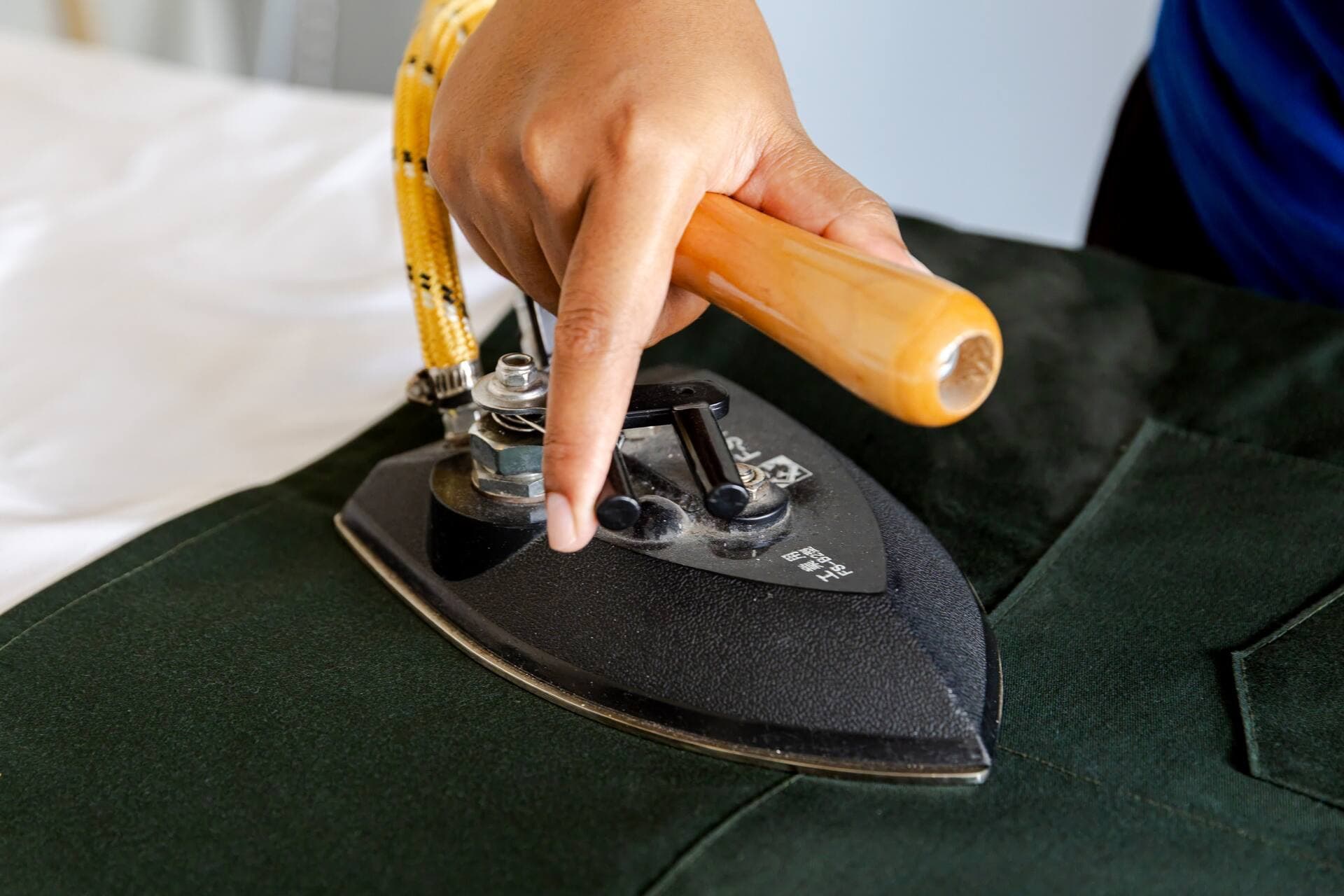
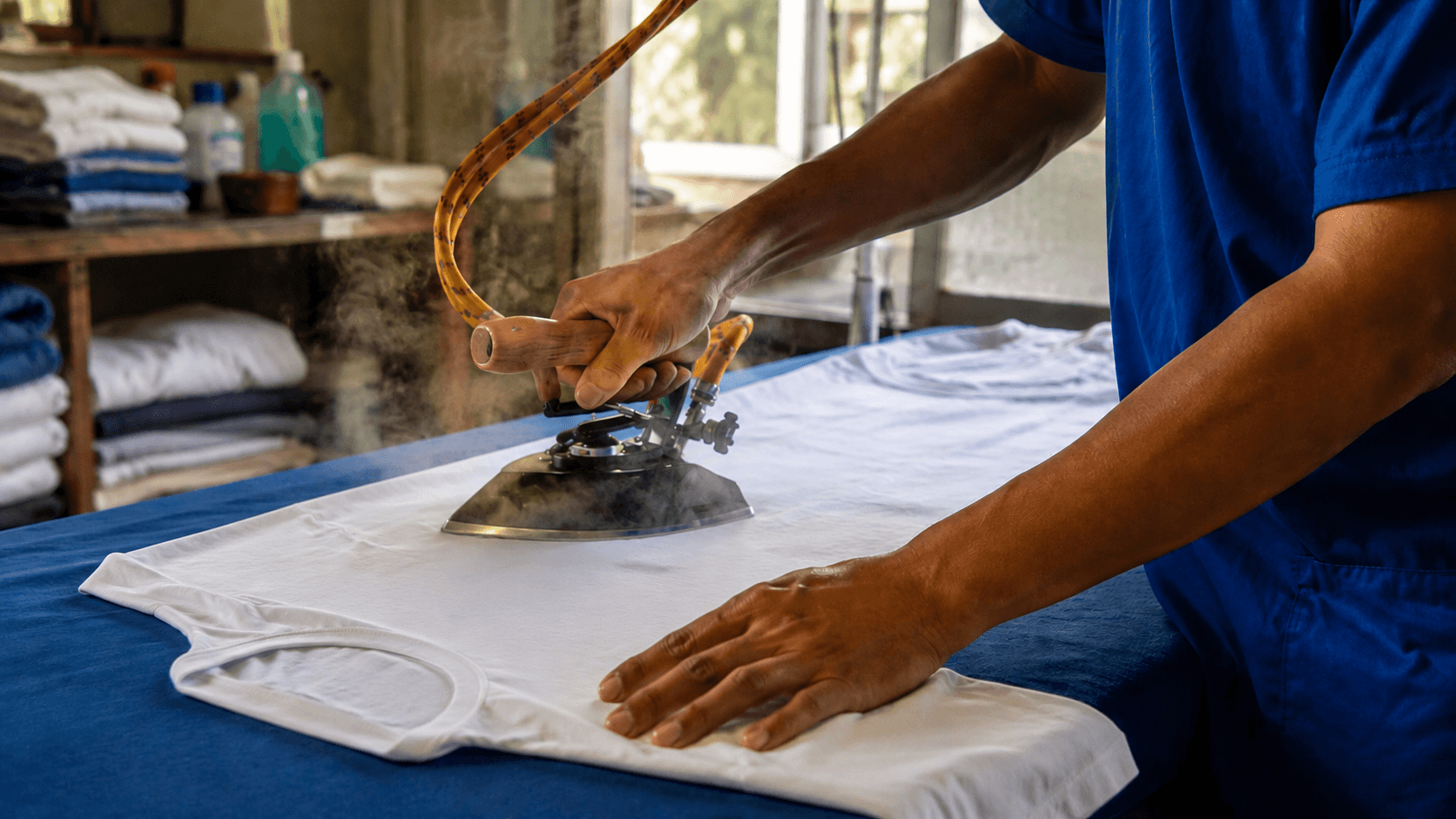
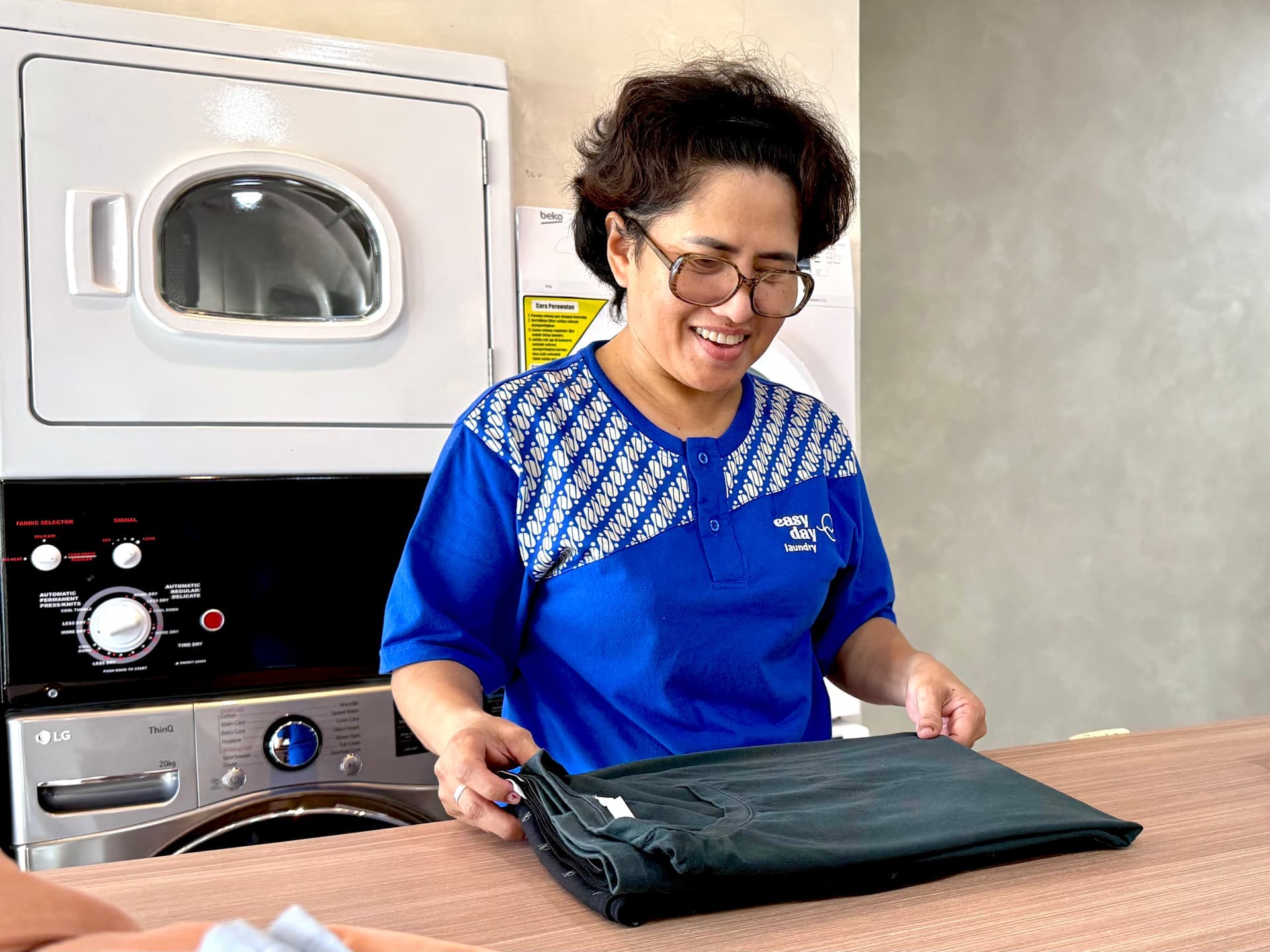
Hand-ironing is what it sounds like. One person, one steam iron, one garment at a time. Not an industrial press. Not a roller. The same handheld steam iron most homes already have, in the hands of staff who have each ironed thousands of garments.
The difference between us and a budget shop is technique and time, not equipment. Two minutes per shirt versus twenty seconds. A worker pressing for Rp 12,000 a kilo has to clear eight to ten kilos an hour to make the numbers work. That math only allows for a fast pass over the collar and a couple of swipes across the front. Our team has years of daily reps behind each garment and the time per shirt to put that practice to work.
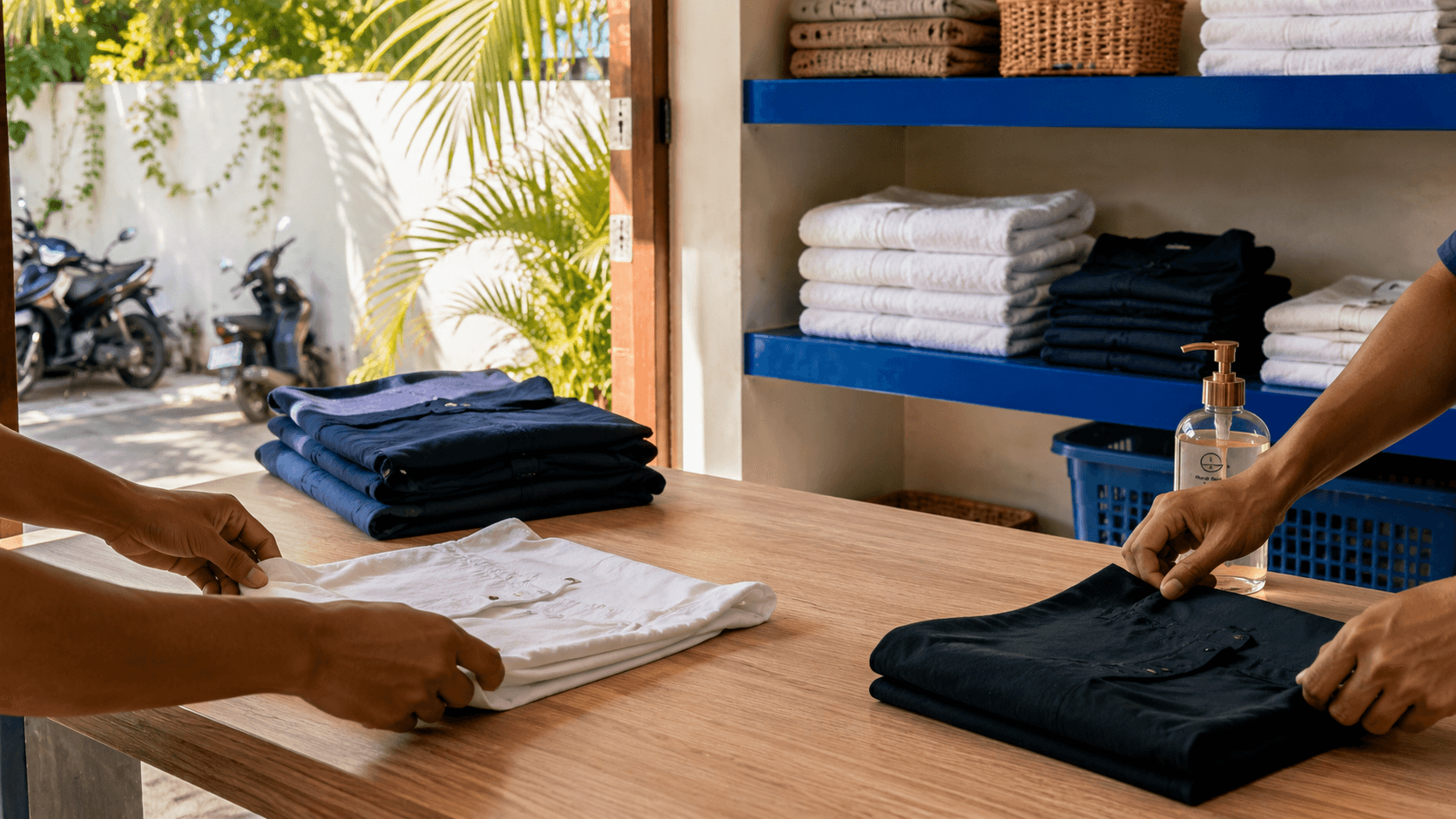
At Easy Day Laundry, ironing sits inside our standard Wash, Dry, Iron, Fold service. It isn't a rush job and isn't a separate upgrade. Every garment that should be ironed gets ironed properly, and the price is the same whether you bring two shirts or twenty.
What We Iron and What We Skip
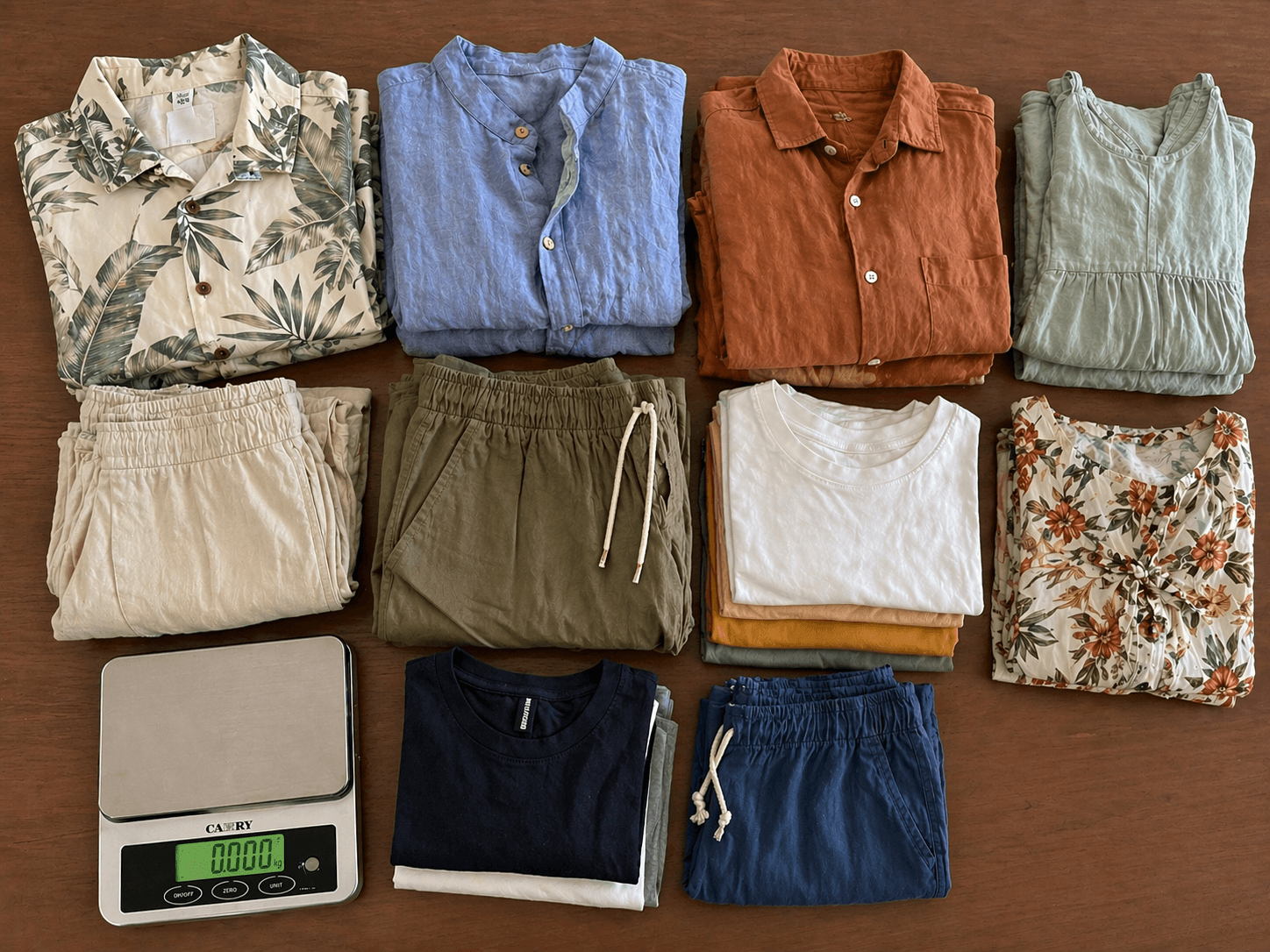
Items we iron: shirts, blouses, dress tops, trousers, skirts, dresses, bedsheets, and pillowcases. Items we skip on purpose: activewear, gym clothes, swimwear (synthetics shine or melt under heat), thick towels (folded only, no benefit from pressing), and most knitwear and wool unless you ask for a low-heat pass with a pressing cloth.
We read care labels. A "no iron" tag is respected, full stop. If you want shirts returned on hangers or trousers with a sharp crease, tell us at booking. The default is folded flat, but a request changes nothing about the price. Hangers travel poorly on a scooter, so if you want items returned on hangers the cleanest option is to collect at the shop. Bring your own hangers at drop-off and we'll have everything ready to lift out. See our ironing and folding notes for the full list of items we accept and how we handle each one.
Why Tropical Humidity Changes the Game
Bali humidity sits between 75 and 90 percent for most of the year. Cotton and linen reabsorb moisture within hours of pressing. A shirt that looks crisp on the shop counter can sag by the time you reach the villa if it wasn't dried properly first.
Two things matter here. First, the garment has to be dried to the right point before ironing. Not damp, not over-baked. Damp cotton holds creases the wrong way and goes limp once the heat fades. Over-baked cotton turns brittle and never quite settles into a clean line.
Second, the fold technique counts. Folded warm, the steam locks in and the garment sets clean. Folded cold, the creases form in the wrong places and stay there. The same shirt can come back looking sharp or looking tired depending on the half-second decision of when to fold.
This is also why our laundry tips for Bali cover storage as much as washing. Pressed clothes hung in a closed wardrobe with no airflow lose their finish in two days. Open shelving wins in this climate.
How Much Does Ironing Service Cost in Canggu?
Pricing in Bali runs by the kilo for most laundry services. Ironing comes bundled into the tier, not charged separately.
Wash, Dry, Iron, Fold (24-hour turnaround) starts at Rp 60,000 for zero to three kilos in Canggu and Seminyak. The two to three day Wash, Iron, Fold tier starts at Rp 40,000 for the same weight band, with a slightly lower per-kilo rate.
Pickup and delivery is Rp 35,000 round trip on top of the laundry charge.
Iron-only orders are quoted at Rp 10,000 per piece at any Easy Day Laundry shop. Drop the item at the counter or note it at booking. For a single shirt or dress before an event, that's the cleanest option. For a full pricing breakdown across services, see how much laundry costs in Bali.
When Hand-Ironing Saves the Garment
Some items earn back the time. Linen shirts get pressed flat at the yoke, cuffs, and body, then cooled on a hanger before the next handling. The fabric sets that way and holds the shape until you wear it.
Silk dresses go in low heat with a pressing cloth, never slid back and forth. Cotton trousers get the crease set first, body next, with the inseam checked for a clean line. Bedding takes a different path. Fitted sheets are folded warm rather than pressed flat. Pillowcases get a quick pass and stack neatly.
Linen dresses and resort shirts show the most visible benefit. The kind of clothes you wore to dinner come back to wearable for dinner. That's the real test. A shirt that holds its shape through the next wear is the only proof that matters. For tailored or structured pieces with linings and interfacing, we steam rather than iron, since direct heat on the lapels and shoulders can cause shine or distort the build.
Need a load of linen and dress shirts back in shape? Book a pickup and we'll have it back inside 24 hours.
Frequently Asked Questions
Fresh laundry, sorted in Bali
Pickup & delivery across Canggu, Seminyak, Pererenan, Tumbak Bayuh & Padonan. Standard wash, dry, iron & fold from Rp 40,000 for 0–3kg.
Book a Pickup