
Berawa Bali Guide 2026: Eat, Stay & Live | Easy Day Laundry
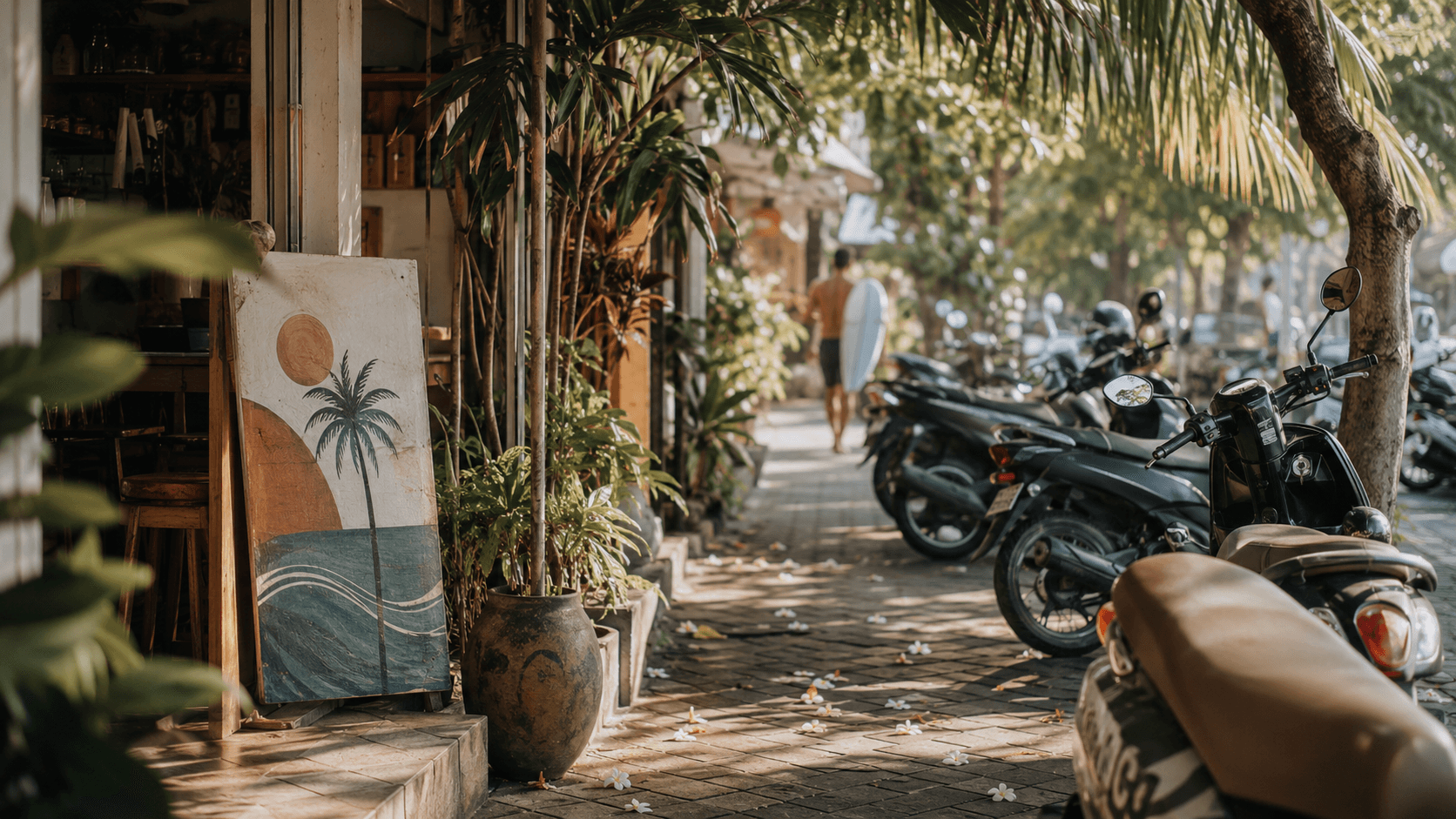
Five years ago, Berawa was a stretch of rice paddies between Canggu's main road and the beach. Today it's where you'll find Finns Beach Club at 4pm, half the digital nomads in Bali in coworking by 9am, and a queue for matcha at every corner café. It's still half rice fields. The other half is concrete and ambition.
This Berawa Canggu guide is for anyone planning a week, a month, or a year in the area. The neighborhood works for short-stay travellers, long-stay expats, and families, and each group uses it differently. The notes below cover where to stay, where to eat, what daily life costs, and the small details that decide whether a stay feels easy or exhausting.
Where Is Berawa, Exactly?
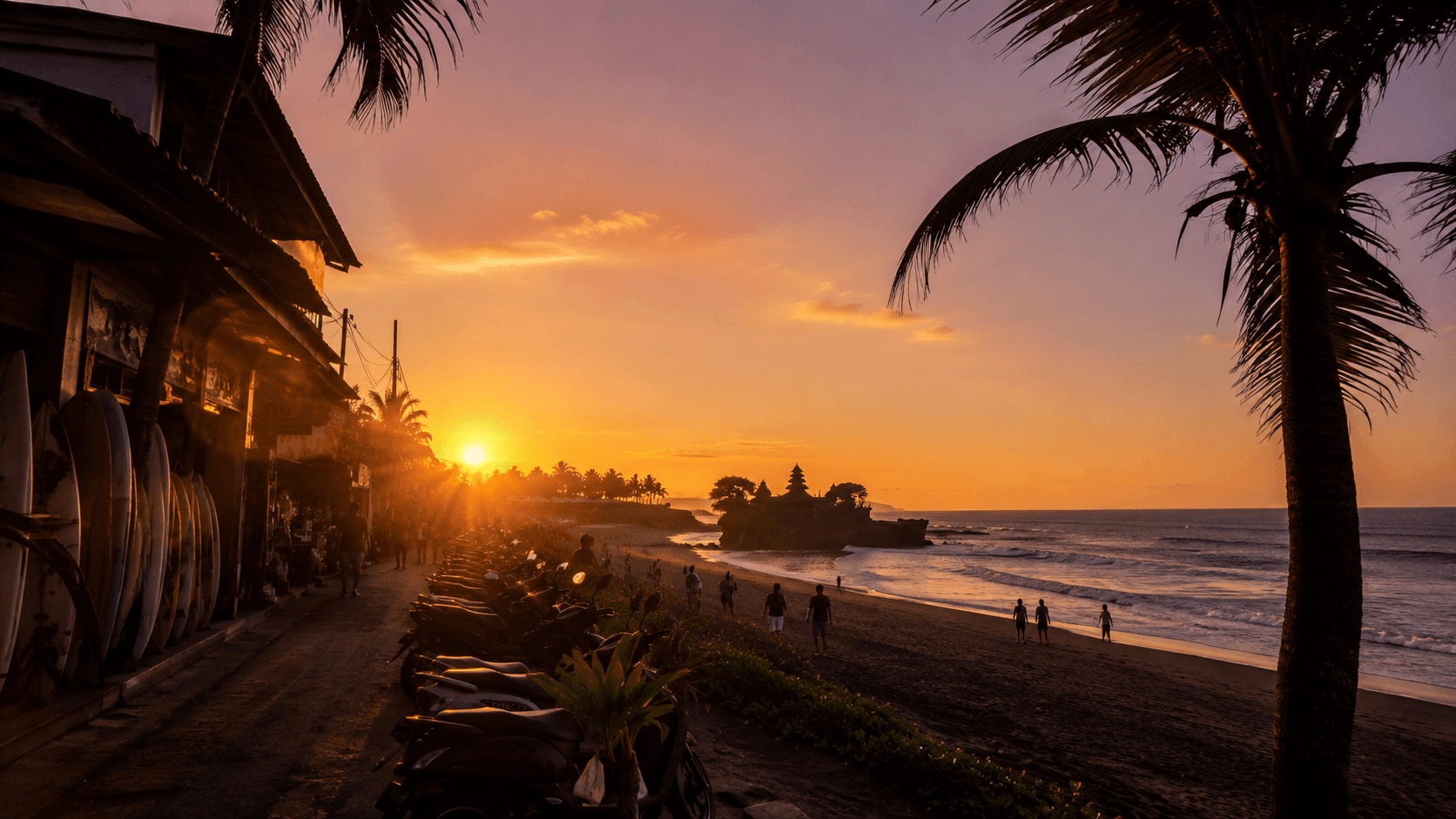
Berawa sits at the southern end of Canggu, between Echo Beach to the north and Seminyak to the south. The main artery is Jl. Pantai Berawa, which runs from the Canggu Shortcut roundabout down to Finns and Atlas beach clubs at the coast.
The neighborhood splits into a few sub-areas. Jl. Pantai Berawa carries most of the restaurants and traffic. Jl. Subak Sari is more residential, with villas hidden behind walls. Jl. Pemelisan Agung is café-heavy and walkable. Jl. Bukit Berawa cuts inland toward larger villa estates.
Distance to Ngurah Rai Airport: 15 to 20 km, 45 to 60 minutes by car in light traffic and up to 90 in evening rush. Distance to our nearest Easy Day Laundry shop in Tibubeneng is about 2 km, an easy scooter ride or a short Gojek hop. See the Berawa pickup coverage for the area we serve.
Berawa vs Batu Bolong: Which Is Right for You?
The two sub-areas of Canggu attract different crowds.
Berawa runs bigger. Larger villas, more international restaurants, denser beach club lineup, more families and longer-stay expats. Traffic gets heavy on Jl. Pantai Berawa around 5 to 7pm as the sunset crowd heads to Atlas and Finns.
Batu Bolong runs smaller. Surf focus, café culture, shorter-stay nomads, more walkable streets. Traffic there is dense too, but slower and friendlier on foot. The full picture sits in our Batu Bolong guide.
Pick Berawa if you want a private pool, space, and beach club proximity. Pick Batu Bolong if you want walkability, smaller scale, and a surf-first scene. Many longer-term residents switch between the two and end up settling on one based on which café they like best.
Where to Eat in Berawa: Brunch & Coffee
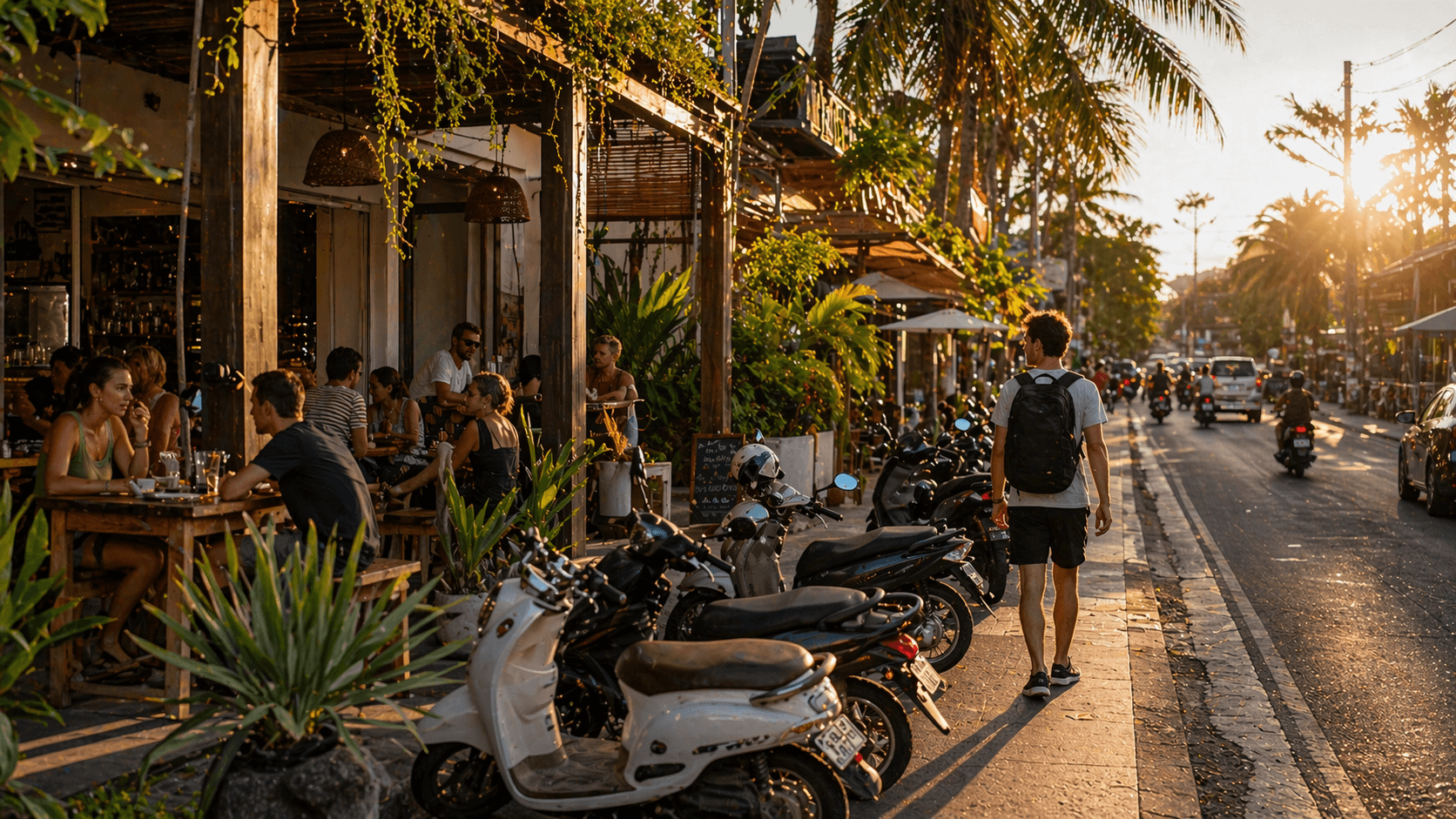
The cafe density on Jl. Pantai Berawa rivals Batu Bolong, with international price tags to match. Expect Rp 60,000 to 130,000 for breakfast and a coffee. Four places worth knowing:
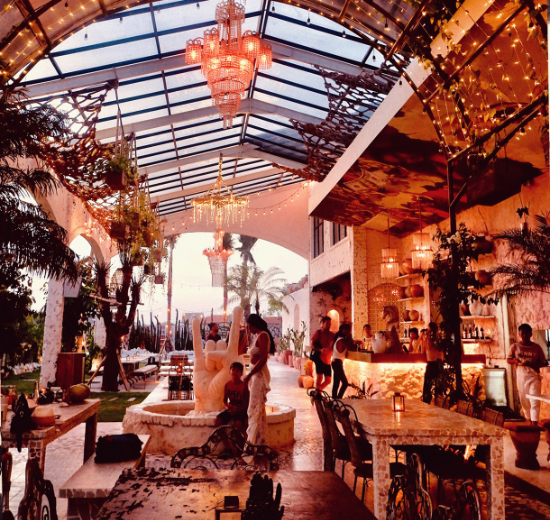
Penny Lane
Eggs benedict and almond lattes in a Bali-boho dining room. Books up by 10am on weekends.
View on Google Maps →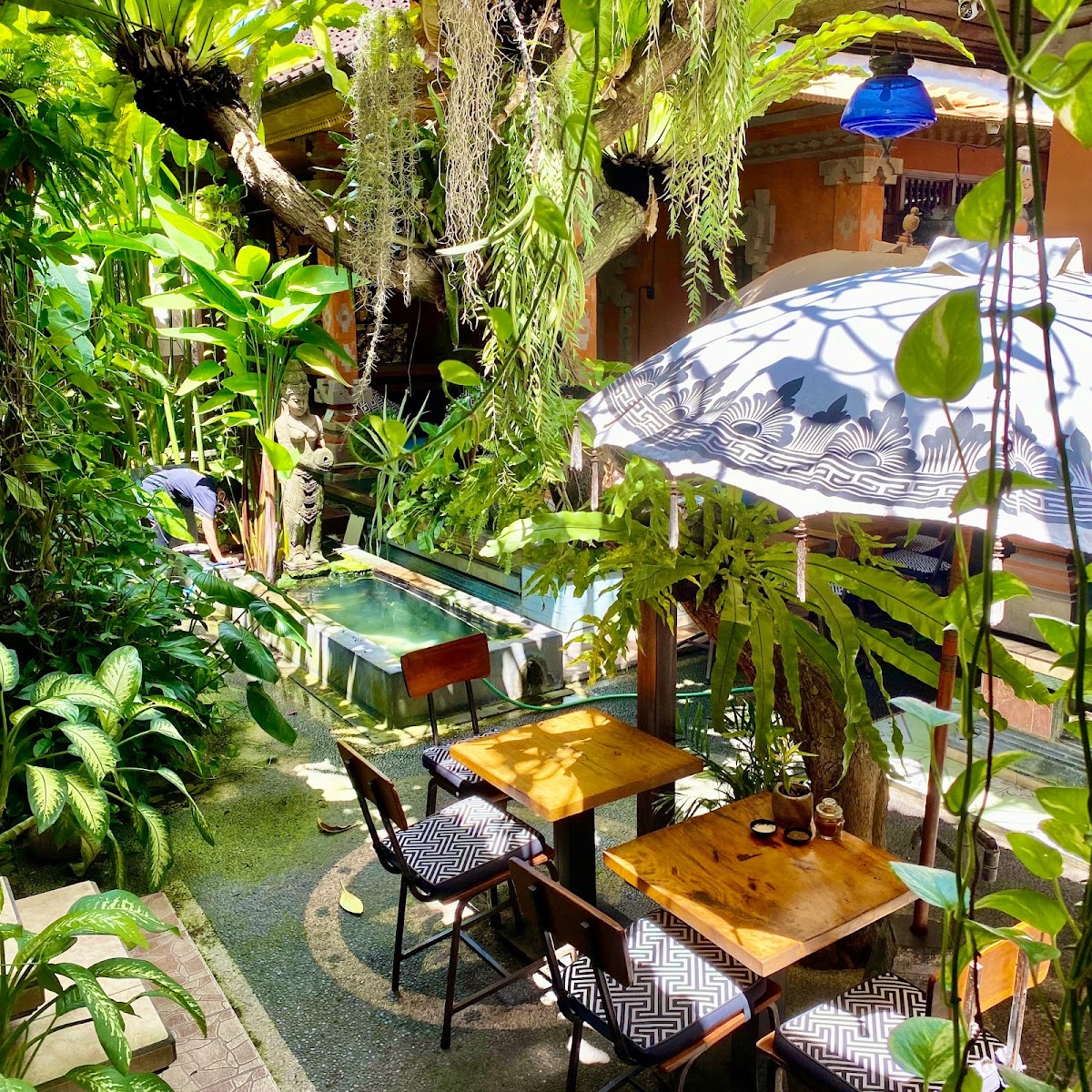
Cafe Vida
Organic kitchen with deep vegan and gluten-free options. Family-friendly, slower service when busy.
View on Google Maps →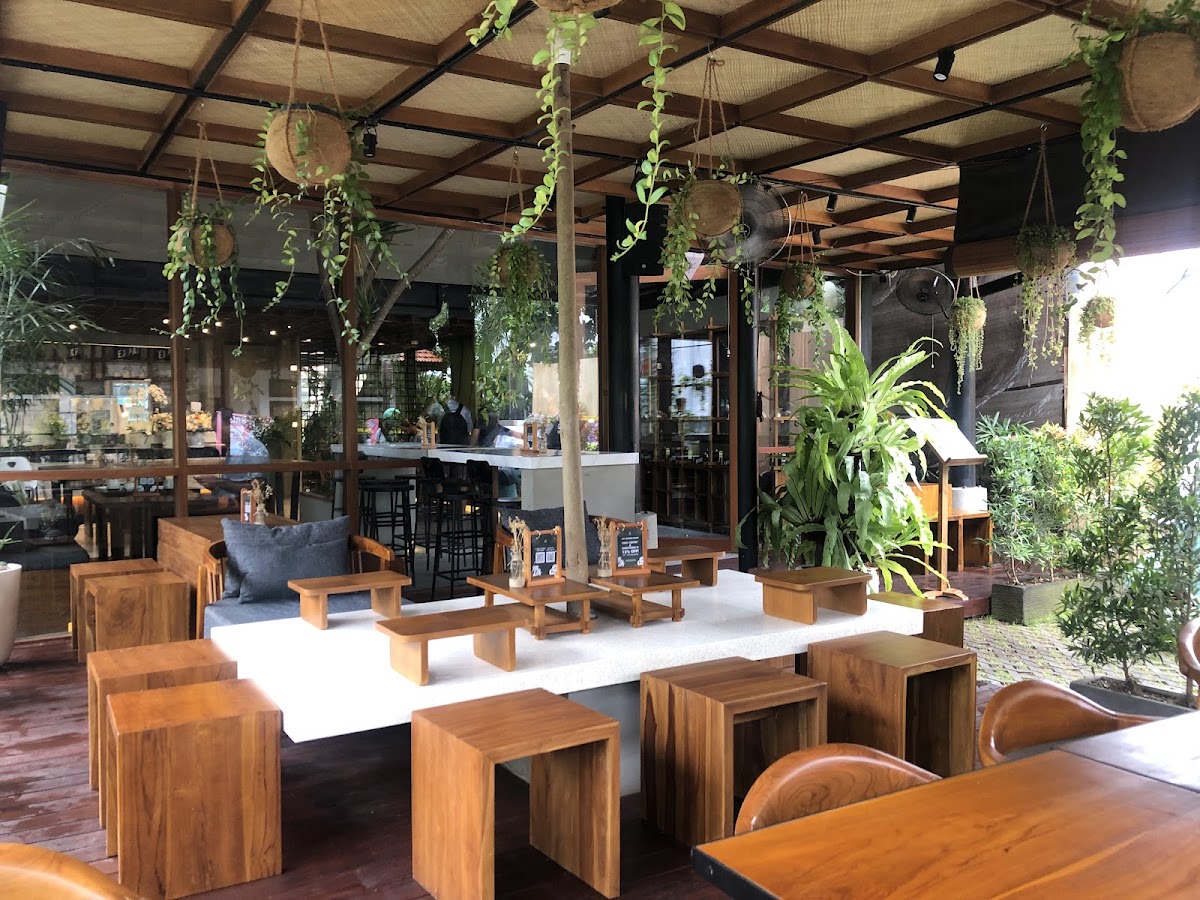
Gron Espresso Bar & Kitchen
Quiet coffee bar with elevated brunch plates. High ceilings and a smaller crowd than the strip cafés.
View on Google Maps →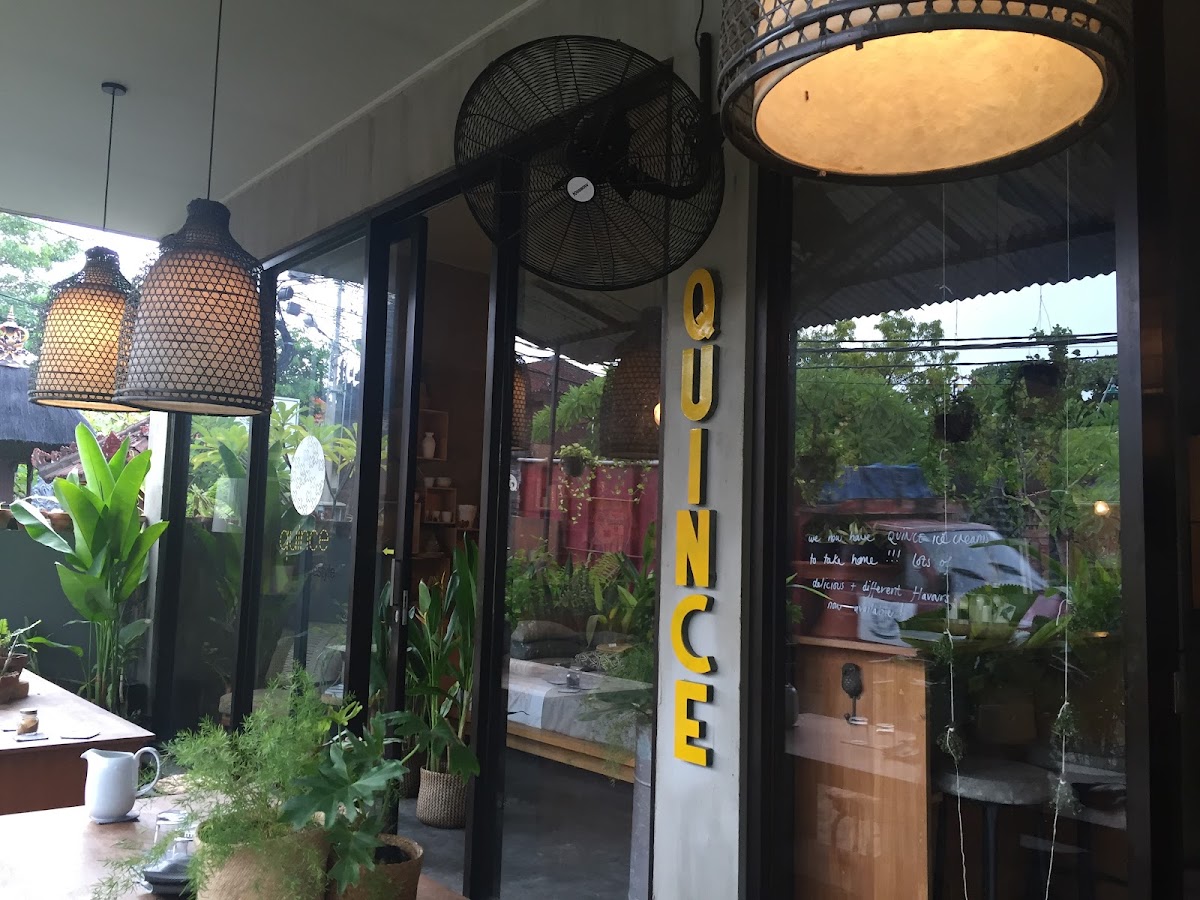
Quince
Healthy brunch with the best coffee in Berawa. Communal tables, good for solo work sessions.
View on Google Maps →Where to Eat in Berawa: Dinner
Dinner in Berawa has shifted upmarket alongside the rest of Canggu. Expect Rp 250,000 to 700,000 for two with drinks. The warung side of the street stays honest.
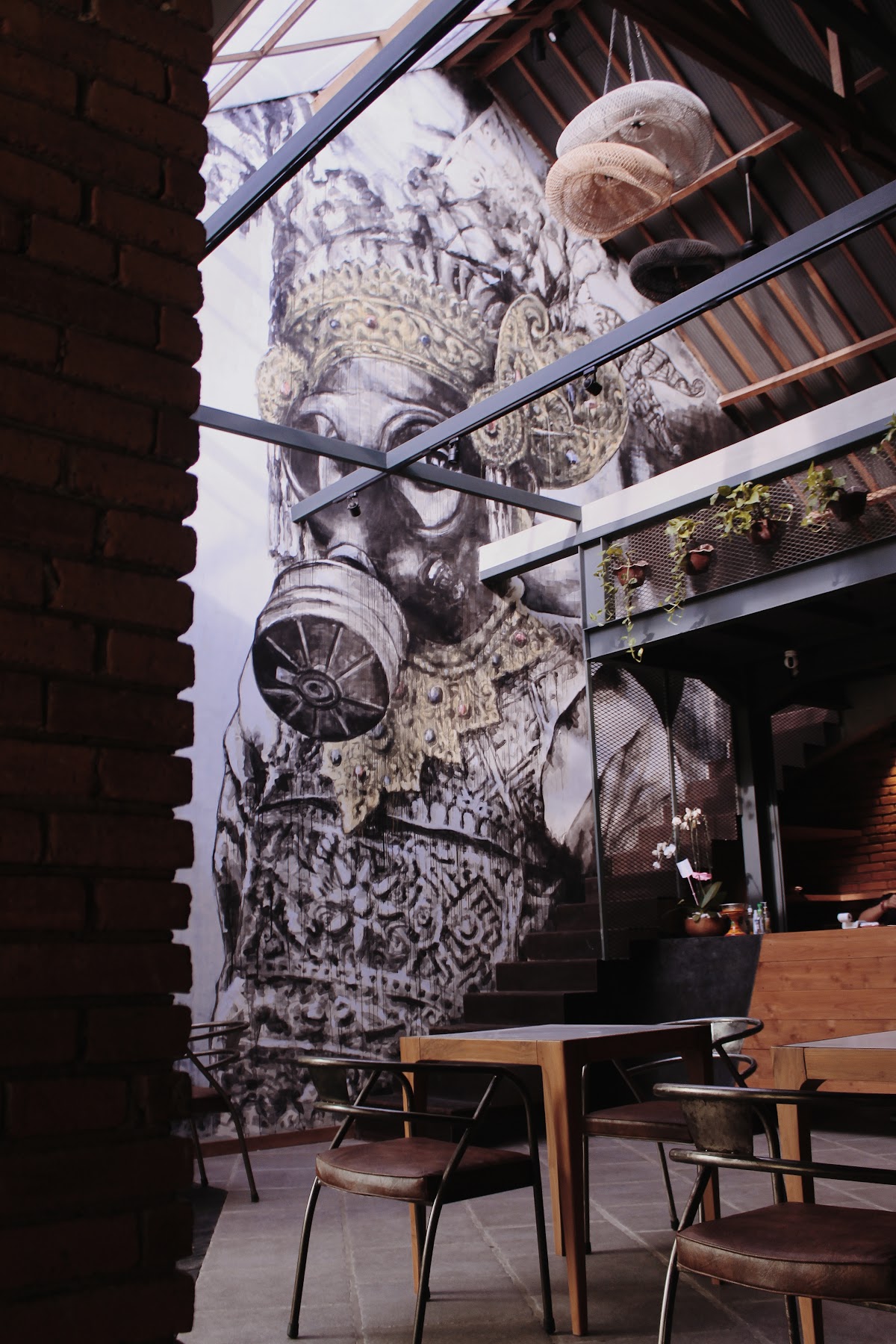
Fucina
Authentic Italian pizzeria with aged dough and a Travelers' Choice award. Cozy date-night vibe, books out fast.
View on Google Maps →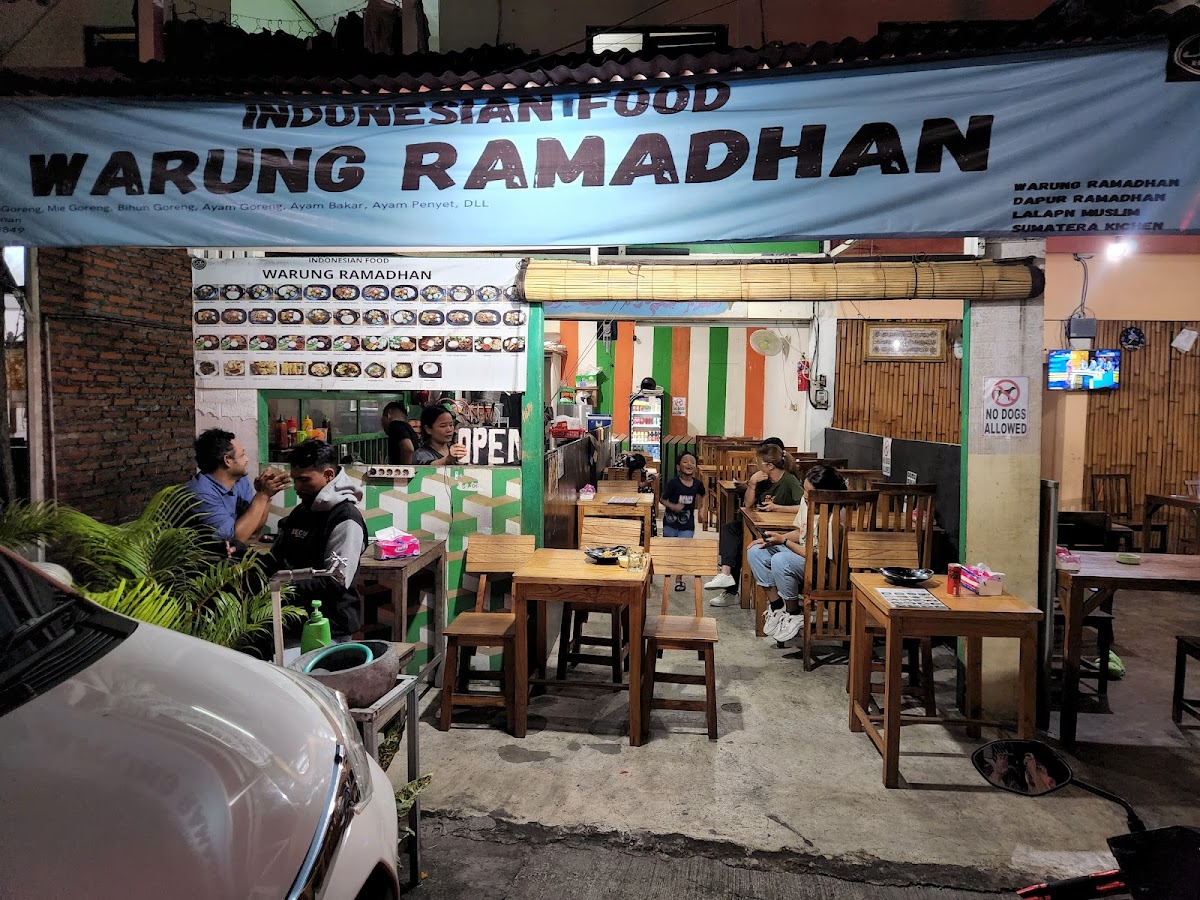
Warung Ramadhan
Traditional Muslim warung serving halal rice plates, curries, and stews. Open late, the reset when international café prices feel absurd.
View on Google Maps →Sunset & Beach Clubs in Berawa
Atlas and Finns anchor the Berawa beach club scene. Arrive 45 minutes before the sun drops if you want a daybed.
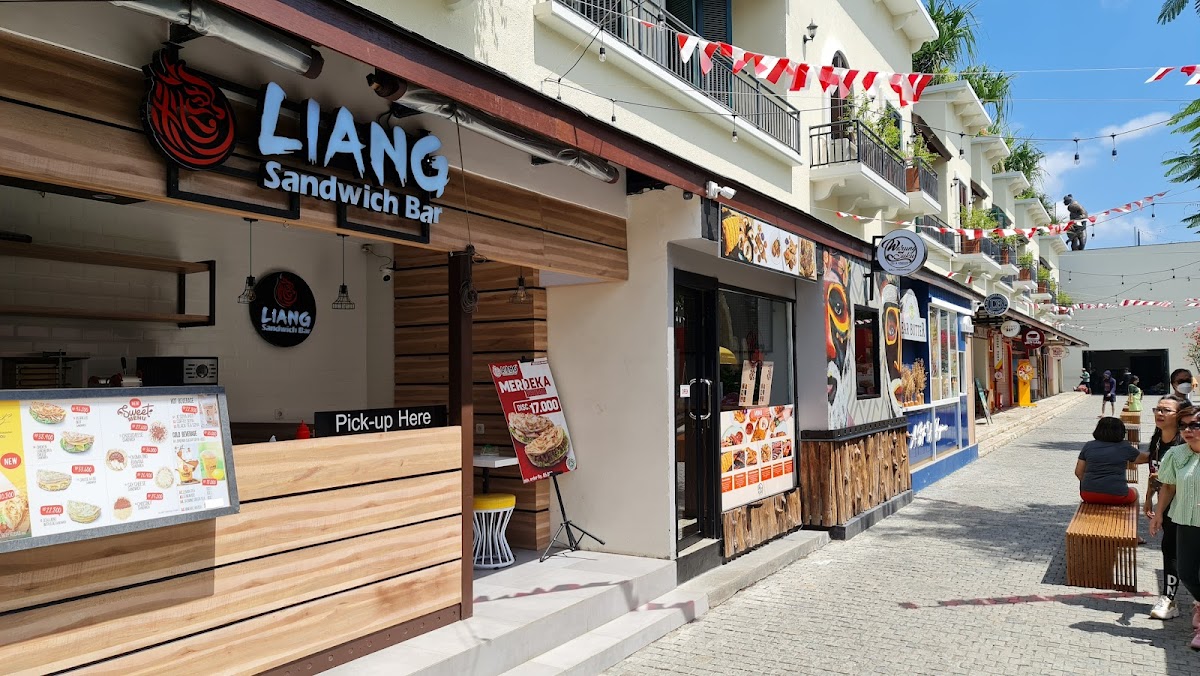
Atlas Beach Club
Massive multi-zone beach club. Day passes available, reserve ahead for sunset and weekends.
View on Google Maps →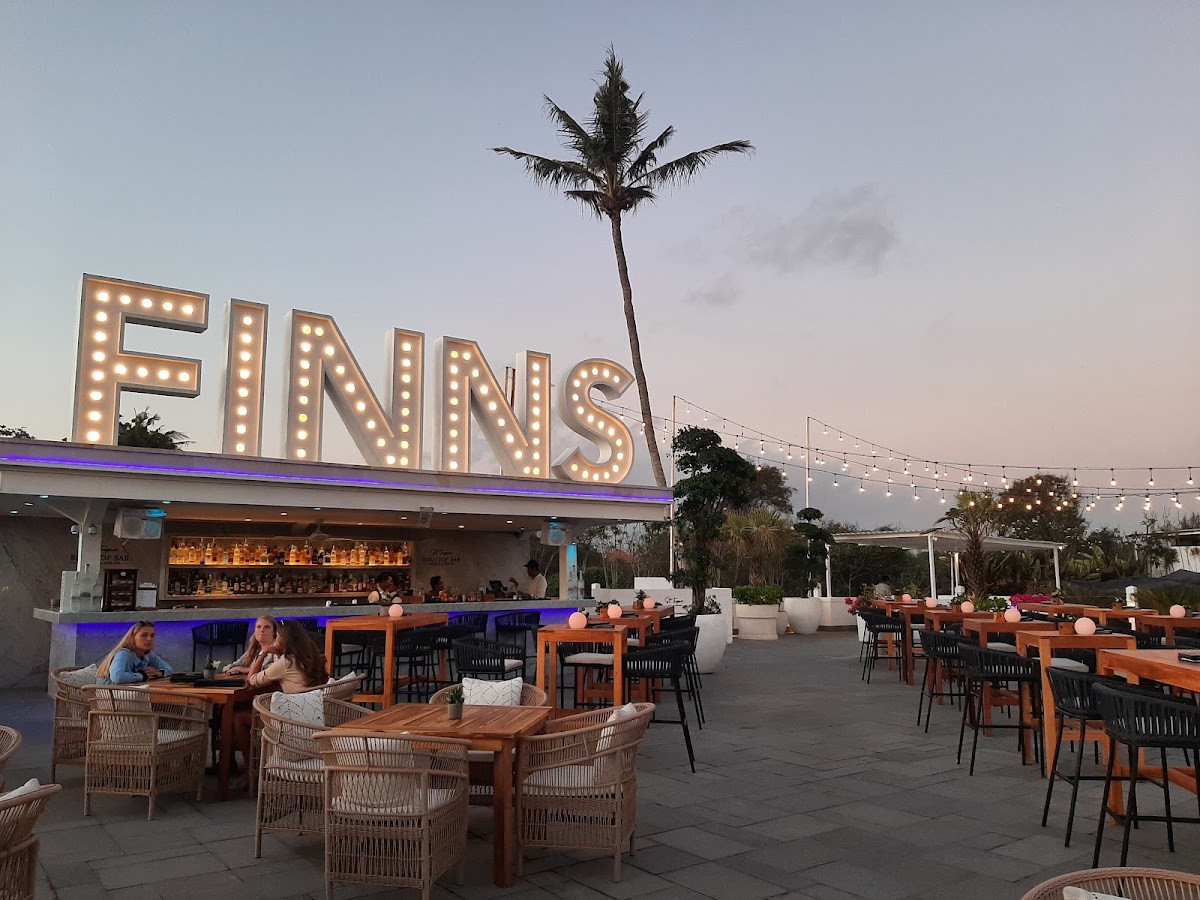
Finns Beach Club
The original Bali beach club. Reliable for groups, with a day-pass system for non-members.
View on Google Maps →Outside this list, new places open weekly. The reliable test: if a café has more than two motorbikes parked outside on a weekday morning, it's worth a try.
Where to Stay in Berawa
Three main categories cover most stays.
Villas: the most common option. Two to four bedrooms with private pool, monthly rent typically Rp 25 to 60 million depending on location and finish. Older Indonesian-built villas sit at the lower end. Newer architect-designed pools touch the upper end and beyond.
Boutique hotels and resorts: Como Uma Canggu is the established option for design-led stays. The Slow (a short drive south in Seminyak) runs smaller and more curated. Villa-style hotels under Rp 3 million per night give you the villa feel without the long lease.
Co-living spaces: Tropical Nomad, BWork Bali, and Tribal Bali cover the digital-nomad market. Rp 7 to 15 million a month including utilities, wifi, and shared coworking access. Built for people who don't want to deal with villa logistics.
Booking platforms split by stay length. Airbnb dominates stays under a month. For anything longer, direct WhatsApp through villa agents like Bukit Vista or Mamaka saves 15 to 25 percent on platform fees. Ask about water pressure and wifi speed before committing. Both vary wildly from villa to villa in the same neighborhood. The first week in Canggu guide covers the rest of the setup.
Daily Life in Berawa: What It Actually Costs
A monthly cost picture for a long-stay resident, in 2026 prices:
- Scooter rental: Rp 2 to 3 million a month, plus fuel (Rp 50,000 fills a tank that lasts four to five days)
- Coffee at a Berawa café: Rp 35,000 to 55,000. Local warung coffee: Rp 10,000.
- Lunch at an international café: Rp 80,000 to 150,000. Warung lunch: Rp 25,000 to 40,000.
- Coworking hot desk: Rp 2.5 to 4.5 million a month at Tropical Nomad or BWork Bali
- Gym membership: Rp 1.5 to 3 million a month at S2S or Body Factory
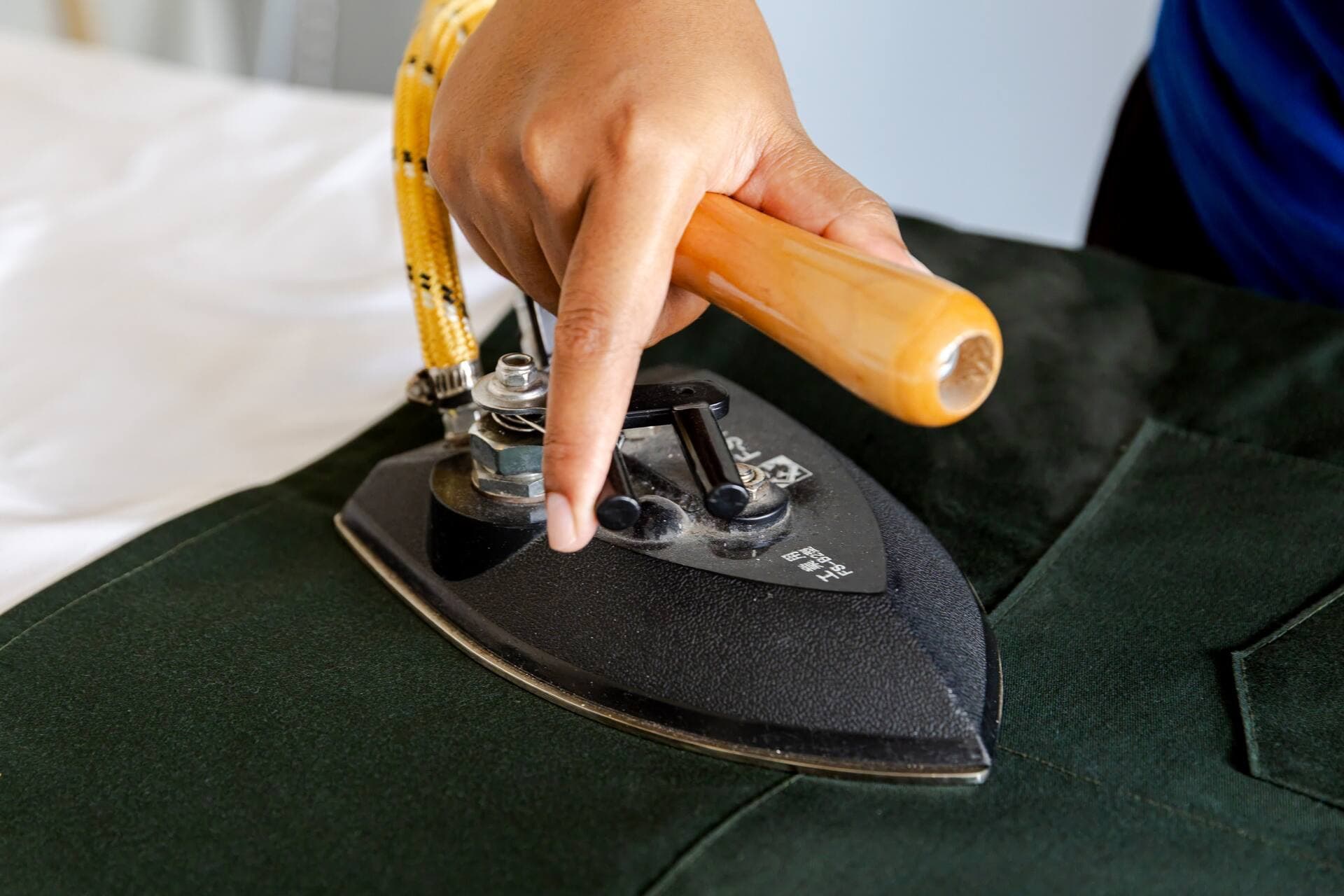
- Laundry: Rp 13,000 to 15,000 a kilo on the 2-to-3-day tier, Rp 15,000 to 20,000 a kilo on the 24-hour tier (ironing included at every tier)
A typical single-person budget for the lifestyle lands around Rp 18 to 28 million a month all-in, excluding rent. Couples split most costs apart from food and add roughly 50 percent.
Where to Do Laundry in Berawa
Berawa is served by Easy Day Laundry's pickup and delivery service. Our nearest physical shop sits in Tibubeneng, about 2 km north, and the driver loop runs daily through every Berawa lane.
Pickup and delivery covers all of Berawa: Jl. Pantai Berawa, Jl. Subak Sari, the lanes off Jl. Pemelisan Agung, and the villa clusters off Jl. Bukit Berawa. A driver collects in the morning, the laundry runs through the shop, and it comes back the next day. Delivery is Rp 35,000 round trip. Most villa managers and co-living hosts already have a weekly pickup schedule set up for residents.
Alternatives include the small kiloan shops along Jl. Pantai Berawa at Rp 10,000 to 12,000 a kilo. Cheaper headline price, but variable on sorting, drying, and turnaround. For the side-by-side comparison and what to look for, see best laundry services in Canggu.
For Airbnb villa owners running multiple turnovers a week, weight-tier pricing applies to villa loads the same as to individual customers. The 2-to-3-day economy tier is usually the right fit for turnover linen, since you can stagger loads against your buffer inventory.
Getting Around Berawa
Scooter is fastest. That's not opinion. Anything else takes two to three times as long during peak hours.
Walking works for short distances within Jl. Pemelisan Agung and parts of Jl. Pantai Berawa, but the sidewalks are inconsistent and the traffic doesn't stop. Gojek and Grab cars handle short hops at Rp 15,000 to 30,000 a ride. Useful at night or in heavy rain. Motorbike Gojek is faster and cheaper, but you carry your own expectations about helmet quality.
Travel times: Berawa to Seminyak runs 15 to 25 minutes by scooter, 30 to 50 minutes by car in evening traffic. Berawa to Ubud is 60 to 90 minutes one way, longer on weekends. Avoid Jl. Pantai Berawa southbound between 5 and 7pm if you can.
When to Visit Berawa
Bali splits into two seasons. Each one shapes Berawa differently.
Dry season (April to October): peak crowds, steady weather, beach clubs running at full capacity, villa rates 30 to 60 percent above low season. July and August are the busiest months.
Rainy season (November to March): quieter streets, occasional all-day rain, lower villa rates. The beach clubs stay open but the day-bed crowd thins. Rain rarely lasts more than half a day even at the wettest point in January and February.
The sweet spots are April and October. Good weather, fewer crowds, prices still under peak. Avoid major Indonesian holidays for villa bookings: Galungan, Lebaran, Nyepi, and the week between Christmas and New Year all spike rates and book out the better properties months ahead.
Settling into Berawa for a stay? Book a laundry pickup from your villa and skip the kiloan shop queue.
Frequently Asked Questions
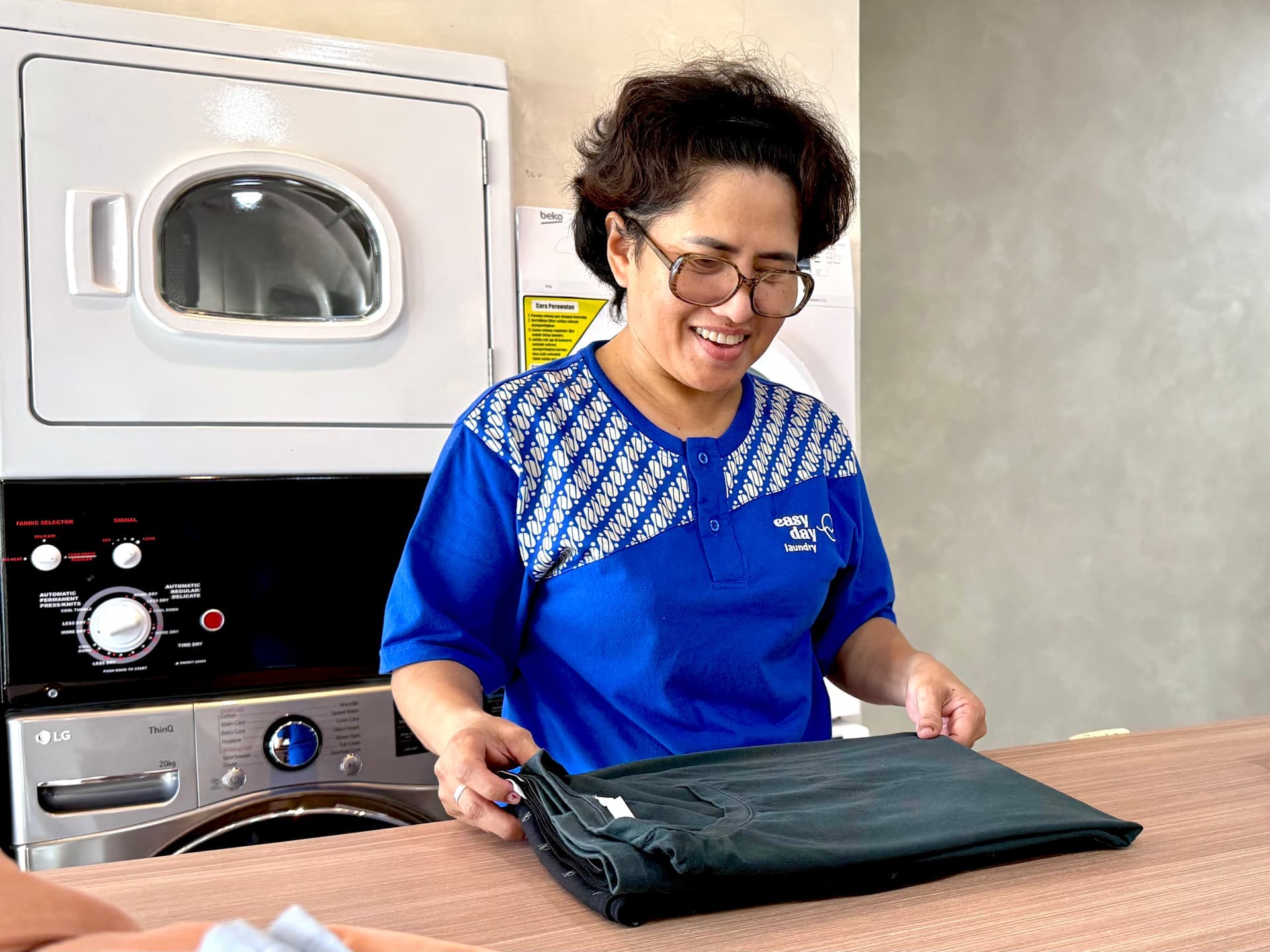
Fresh laundry, sorted in Bali
Pickup & delivery across Canggu, Seminyak, Pererenan, Tumbak Bayuh & Padonan. Standard wash, dry, iron & fold from Rp 40,000 for 0–3kg.
Book a Pickup